How Image Optimization Can Boost Your SEO: Tools and Strategies
In the intricate world of digital marketing, images are far more than mere visual decorations. They are powerful communication tools that can significantly impact your website’s search engine optimization (SEO) performance. Most website owners underestimate the critical role that image optimization plays in their overall digital strategy. However, savvy marketers understand that every pixel matters in the competitive landscape of online visibility.
Images are not just about aesthetic appeal; they are strategic assets that can dramatically influence your website’s loading speed, user engagement, and ultimately, search engine rankings. By implementing intelligent image optimization techniques, you can transform these visual elements from potential performance bottlenecks into SEO accelerators.
Understanding the SEO-Image Optimization Connection
The Technical Foundations of Image Impact
Search engines like Google have sophisticated algorithms that evaluate multiple factors when ranking websites. Page speed is a crucial ranking factor, and images often represent the largest contributors to page load times. Unoptimized images can significantly slow down your website, leading to higher bounce rates and lower search rankings. Moreover, search engines use image metadata, alt text, and file characteristics to understand and index visual content.
Compression: The Performance Powerhouse
Image compression is the cornerstone of effective image optimization. By reducing file sizes without compromising visual quality, you create a win-win scenario. Compressed images load faster, consume less bandwidth, and provide a smoother user experience. Modern compression algorithms can reduce image file sizes by up to 80% while maintaining acceptable visual clarity. This means your website becomes more responsive, and search engines reward you with improved rankings.
Strategic Tools for Image Optimization
Cutting-Edge Compression Technologies
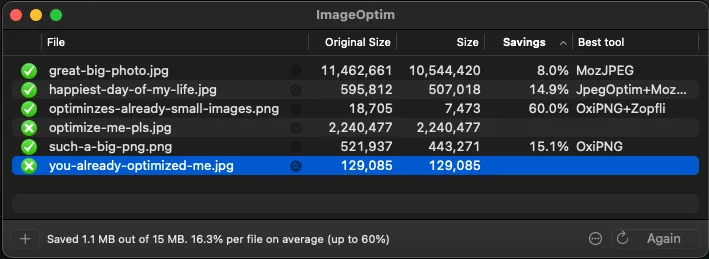
Several powerful tools have emerged to simplify the image optimization process. WebP, a modern image format developed by Google, offers superior compression compared to traditional JPEG and PNG formats. Tools like TinyPNG, Cloudinary, and ImageOptim provide automated compression solutions that seamlessly integrate into various workflows. These platforms use advanced algorithms to minimize file sizes while preserving image quality.
Responsive Image Techniques
Responsive design is no longer optional in today’s multi-device digital landscape. Modern image optimization involves creating multiple image versions tailored to different screen sizes and resolutions. Techniques like srcset and picture elements allow browsers to select the most appropriate image variant, reducing unnecessary data transfer and improving performance across devices.
Implementing a Holistic Image SEO Strategy
Metadata and Contextual Optimization
Beyond technical compression, comprehensive image SEO involves strategic metadata management. This includes crafting descriptive, keyword-rich file names, implementing meaningful alt text, and providing context through captions. Search engines use these elements to understand image content, improving indexing and potential visibility in image search results.
Performance Monitoring and Continuous Improvement
Implementing image optimization is an ongoing process. Regularly audit your website’s image performance using tools like Google PageSpeed Insights and GTmetrix. These platforms provide detailed recommendations for further optimization, helping you continuously refine your approach and maintain peak performance.
Transforming Images into SEO Assets
Image optimization is not just a technical task—it’s a strategic approach to digital marketing. By treating images as dynamic, performance-driven elements, you can significantly enhance your website’s SEO potential. The synergy between intelligent compression, responsive design, and comprehensive metadata creates a powerful mechanism for improved search rankings and user experience.
Embrace these strategies, and watch as your visual content becomes a robust driver of online visibility and engagement.