Why Auditing Old Backlinks Is Essential for Your Site’s Health

Why Auditing Old Backlinks Is Essential for Your Site’s Health
In the fast‑moving world of SEO, we often focus on acquiring new backlinks while overlooking the ones we already have. Yet, as websites evolve, many of those inbound links become outdated, broken, or even harmful. This phenomenon known as “link rot” can silently sabotage your rankings, inflate bounce rates, and tarnish your brand’s credibility. In this post, we’ll explore why regular backlink audits matter, the risks of ignoring them, and a practical, step‑by‑step method to keep your link profile clean and powerful.
Imagine spending months building high‑quality content, only to discover that half the links pointing to it now lead to 404 pages or spammy sites. Not only does this hurt your SEO, it erodes user trust.
The SEO Impact of Stale Links
How Search Engines Evaluate Links
Google’s algorithm has long moved beyond a simple count‑the‑backlinks approach. While early SEO tactics could boost rankings by amassing large numbers of low‑quality or irrelevant links, modern ranking signals prioritize the trustworthiness and relevance of each link. When a reputable site (one with strong editorial standards, high domain authority, and content closely related to yours) places a backlink, it acts as a robust endorsement. That endorsement carries far more weight than dozens of links from spammy directories, link farms, or unrelated blogs, which can even be interpreted as manipulative behavior. In practice, Google evaluates factors such as the linking page’s own backlink profile, its topical similarity to your content, and the anchor text used, assigning a higher “link equity” score to links that meet these quality criteria.
Because of this emphasis on quality, a single high‑authority backlink can outweigh a multitude of weaker ones, and a few toxic links can drag down the overall health of your link profile. Google’s Penguin updates and the broader “spam‑free” initiatives explicitly target low‑quality link schemes, demoting sites that rely on sheer volume rather than genuine endorsement. Consequently, website owners who focus on cultivating natural, relevant backlinks tend to see more stable, long‑term ranking improvements. Regularly auditing old backlinks helps ensure that the links pointing to you continue to meet these quality standards, preserving the positive signal that Google rewards.
Crawl Errors & Ranking Drops
When a crawler encounters a broken link—a URL that returns a 404, 410, or another error code—it records a crawl error in Google Search Console and marks that resource as unavailable. Each error consumes a portion of the site’s allotted crawl budget, the finite amount of time Google allocates to scanning a domain each day. As the bot spends cycles chasing dead ends, fewer resources remain for discovering fresh or updated content, meaning important pages may be indexed less frequently or even missed entirely. Over time, this reduced crawling efficiency can delay the appearance of new pages, slow the propagation of legitimate updates, and ultimately cause rankings to slip because Google perceives the site as poorly maintained. Regularly fixing or removing broken backlinks helps preserve the crawl budget for valuable pages, ensuring the search engine can efficiently index and rank the content that truly matters.
Toxic links—backlinks coming from spammy, hacked, or otherwise low‑quality sites—are flagged by Google’s algorithms as attempts to manipulate rankings, and if they accumulate enough, they can draw the attention of Google’s manual actions team. When reviewers detect a pattern of unnatural link acquisition—such as mass‑generated links from link farms, private blog networks, or sites that have been compromised—they may issue a manual penalty that demotes the affected pages or even the entire property in search results. Unlike algorithmic devaluations, manual penalties require a formal reconsideration request and proof that the harmful links have been removed or disavowed; until then, the site’s visibility can drop dramatically, leading to loss of traffic and revenue. Regularly auditing and cleaning up toxic backlinks therefore serves as a proactive safeguard against these costly manual interventions.
User Experience & Brand Reputation
From Click to Conversion: The User Journey
When a visitor clicks a link that leads to a 404 page or another dead end, the experience feels abruptly cut off—there’s nothing useful to read, no next step, and often no clear path back to relevant content. This immediate frustration prompts users to leave the site almost instantly, inflating the bounce rate (the proportion of sessions that end after a single page view). High bounce rates send a negative signal to search engines, suggesting that the page (or even the broader site) fails to satisfy user intent. Over time, search algorithms may interpret this as a quality issue and lower the affected pages’ rankings, creating a feedback loop where poor user experience harms visibility, which in turn reduces organic traffic. By promptly fixing broken outbound or inbound links, you keep visitors moving through your content, lower bounce rates, and reinforce both user satisfaction and search‑engine confidence.
Protecting Your Brand Image
Outdated affiliate or promotional links give the impression that your site hasn’t been maintained, which can erode trust and make the whole brand feel stale; visitors expect current offers, valid discount codes, and working product pages, so when they encounter a dead‑ended or irrelevant affiliate URL they assume the content creator is careless or indifferent to the reader’s experience. That perception not only hurts credibility but also reduces the likelihood of conversions, users are far less inclined to click on a link that appears broken or points to a product that’s no longer sold, and they may abandon the page altogether, harming engagement metrics and diminishing the overall professionalism of your site. Regularly reviewing and updating these commercial links ensures that every call‑to‑action remains functional, relevant, and reflective of a polished, trustworthy online presence.
Keeping your backlink profile up‑to‑date signals to both users and search engines that your site remains a current, trustworthy source within its niche. When the links pointing to your content are from sites that still publish relevant, high‑quality material (and when those links themselves lead to active, topical pages) search engines interpret this as ongoing endorsement from peers, which bolsters your domain’s authority. Conversely, stale or irrelevant backlinks can make your site appear abandoned or out‑of‑sync with industry trends, diluting that authority. By regularly auditing and refreshing old backlinks, you ensure that every citation reflects the latest discourse, reinforcing your reputation as an authoritative, actively maintained resource.
Risks of Ignoring Bad Backlinks
The Domino Effect of Link Rot
When many inbound or outbound links decay over time (also known as “link rot”) each broken URL generates a 404 response that not only frustrates users but also compounds for crawlers: as Googlebot follows one dead link, it discovers another broken link on the same page, then yet another on the linked page, creating a chain reaction of errors. This cascade quickly inflates the site’s error count in Search Console, wastes crawl budget on non‑existent resources, and can cause entire sections of a site to become effectively invisible to search engines. The resulting network of 404s erodes both user trust and SEO equity, making it essential to identify and repair or remove these decayed links before they snowball into larger visibility problems.
Negative SEO: Myth or Reality?
The debate over “negative SEO” hinges on whether malicious actors can realistically sabotage a competitor’s rankings by flooding it with low‑quality or spammy backlinks, and the answer is a mix of myth and reality: on the one hand, Google’s algorithms are designed to detect and neutralize unnatural link patterns, often discounting or outright ignoring clearly manipulative links, which means that a handful of bad backlinks rarely cause a dramatic drop in visibility; on the other hand, coordinated attacks that generate large volumes of toxic links (especially from domains with high spam scores or from hacked sites) can still trigger manual reviews or algorithmic devaluations, forcing webmasters to spend time cleaning their link profiles, filing disavow requests, and submitting reconsideration notices. Consequently, while the fear of a sudden, catastrophic ranking collapse is largely overstated, the risk of wasted effort and temporary ranking volatility is real, making regular backlink audits and a solid disavow strategy essential safeguards against potential negative‑SEO tactics.
How to Conduct an Effective Audit
Step‑by‑Step Audit Checklist
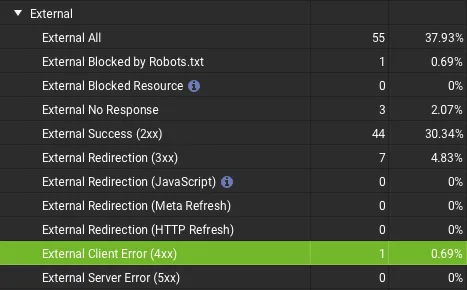
- Gather data
Utilize tools such as Ahrefs, Screaming Frog, or Google Search Console. - Identify broken links
Look for 404s, 410s, redirects. - Assess link quality
Check domain authority, spam score, relevance. - Take action
Replace, remove, or request removal via outreach. - Document
Keep a spreadsheet of changes for future reference.
Ongoing Maintenance
Turning Audits into a Habit
Keeping your backlink profile healthy isn’t a one‑time project; it requires a routine that fits naturally into your content workflow. Start by scheduling a comprehensive audit at least once every quarter, this cadence balances the pace at which links decay with the resources you have available. During each cycle, run automated scans with tools like Google Search Console, Ahrefs, or Screaming Frog to flag newly broken URLs, redirected destinations, and any spikes in low‑authority referrals. Capture the results in a living spreadsheet or a dedicated dashboard, marking which links have been fixed, replaced, or earmarked for disavow. By treating the audit as a recurring calendar event rather than an ad‑hoc task, you ensure that emerging issues are caught early, before they compound into larger SEO penalties or user‑experience problems.
Beyond the periodic deep‑dives, integrate lightweight, continuous monitoring into your daily operations. Set up email alerts or webhook notifications for 404 errors and sudden drops in referring domains, and enable “crawl budget” reports to spot any unusual crawl‑budget consumption caused by persistent errors. Encourage your content creators to verify outbound affiliate or partner links before publishing, and make link‑checking a standard step in your editorial checklist. Over time, this blend of scheduled audits and real‑time vigilance creates a self‑correcting ecosystem where link rot is swiftly addressed, link equity is preserved, and your site’s authority remains consistently reinforced.